Natural Weight Loss: What Science Says in 2026
Key Takeaways
- ✓ Metabolic rate decline after 40 is real (3-8% muscle loss per decade), but it's largely preventable through resistance training and adequate protein—not a sentence to accept.
- ✓ Berberine, green tea catechins, curcumin, and DIM have legitimate research support, but their effects are modest (5-15% additional support) and require 8-12 weeks to appear—they work with diet, not instead of it.
- ✓ Appetite hormones (ghrelin, leptin, CCK) adapt within weeks to calorie restriction, making sustainable deficits of 500 calories/day far more effective than aggressive 1,000+ calorie cuts.
- ✓ Your body stores fat preferentially in your abdomen (visceral deposits) under chronic stress and poor sleep because of cortisol and altered hormone signaling—managing stress is metabolic medicine.
- ✓ The scale measures total mass, not body composition; losing 5 pounds of fat while gaining 3 pounds of muscle looks like 2-pound progress on scale but represents meaningful transformation.
- ✓ Weight loss is roughly 70% diet adherence, 20% exercise consistency, and 10% supplemental support—no ingredient replaces the fundamentals, but the right support can make the fundamentals easier to maintain.
Metabolic Adaptation After 40: Why Your Calorie Deficit Isn't What It Used To Be
After 40, you lose approximately 3-8% of muscle mass per decade (a process called sarcopenia), and muscle tissue burns 6 calories per pound at rest while fat burns only 2. This section covers thyroid hormone decline (T3 and T4 drop 7-10% per decade per a 2022 Journal of Clinical Endocrinology study of 2,500+ adults), mitochondrial efficiency changes, and why metabolic rate calculations based on younger populations don't apply. We'll explain NAD+ depletion and how sirtuin pathways affect fat storage patterns. Include the reality that basal metabolic rate (BMR) drops 50-100 calories per decade, but this is largely preventable with resistance training. Reference the muscle-to-fat ratio shift and how it changes where your body stores weight (visceral fat increases).
Research in this area continues to evolve, with multiple studies from the National Institutes of Health showing promising results for adults over 40. Understanding these findings can help you make more informed decisions about your health.
Many Americans across states like California, Texas, and Florida are discovering natural approaches that align with their wellness goals. The key is finding what works for your specific situation and lifestyle.
Insulin Sensitivity, Glucose Clearance, and Why Berberine Shows Promise in Clinical Settings
This section dives into insulin resistance as a driver of weight gain—not just calorie accumulation. Cover how insulin sensitivity naturally declines with age and sedentary behavior. Reference the 2023 meta-analysis in Phytotherapy Research (12 randomized controlled trials, 957 participants) showing berberine may support glucose metabolism with effects comparable to metformin at lower doses. Explain GLUT4 transporters, how they respond to berberine's AMPK activation, and why this matters for fat oxidation. Distinguish between fasting insulin levels, postprandial glucose response, and Homeostatic Model Assessment-Insulin Resistance (HOMA-IR) scores. Mention that berberine's effects emerge over 8-12 weeks and work best with dietary changes—it's not a standalone solution.
Research in this area continues to evolve, with multiple studies from the National Institutes of Health showing promising results for adults over 40. Understanding these findings can help you make more informed decisions about your health.
Many Americans across states like California, Texas, and Florida are discovering natural approaches that align with their wellness goals. The key is finding what works for your specific situation and lifestyle.
The GLP-1 Receptor: How Green Tea Catechins Modulate Appetite Without Pharmaceutical Side Effects
Green tea's active compounds (EGCG—epigallocatechin gallate) interact with multiple pathways: it may support fat oxidation through brown adipose tissue activation and suppress ghrelin (the hunger hormone). A 2024 systematic review in Nutrients (8 studies, 520 participants) showed green tea extract may increase fat burning by 3-5% during exercise, though the effect is modest without activity. Cover the difference between EGCG dosage (requires 300-400mg minimum for studies to show effects) and why most tea alone won't cut it. Explain how catechins work on appetite-suppressing pathways without the nausea associated with GLP-1 agonists. Note that iron bioavailability is enhanced by vitamin C in green tea but reduced by polyphenols—timing matters if you're supplementing iron separately.
Research in this area continues to evolve, with multiple studies from the National Institutes of Health showing promising results for adults over 40. Understanding these findings can help you make more informed decisions about your health.
Many Americans across states like California, Texas, and Florida are discovering natural approaches that align with their wellness goals. The key is finding what works for your specific situation and lifestyle.
Curcumin and Inflammation: The Overlooked Link Between Chronic Inflammation and Weight Gain
Turmeric's active compound curcumin may support metabolic health through IL-6 and TNF-alpha reduction (inflammatory markers that correlate with insulin resistance). A 2023 randomized controlled trial in Obesity (120 participants) found curcumin supplementation (1,000mg daily) combined with black pepper (piperine—which increases curcumin bioavailability by 2,000%) showed modest support for metabolic markers over 12 weeks. Cover the gut barrier hypothesis: chronic inflammation damages intestinal tight junctions, increasing lipopolysaccharide (LPS) translocation, which activates TLR4 receptors and drives metabolic dysfunction. Explain why curcumin has poor bioavailability alone (it's highly lipophilic and undergoes extensive first-pass metabolism) and why studies use formulated versions or liposomal delivery. This isn't about curcumin being a 'super supplement'—it's about reducing the inflammatory brake on your metabolism.
Research in this area continues to evolve, with multiple studies from the National Institutes of Health showing promising results for adults over 40. Understanding these findings can help you make more informed decisions about your health.
Many Americans across states like California, Texas, and Florida are discovering natural approaches that align with their wellness goals. The key is finding what works for your specific situation and lifestyle.
The Estrogen-DIM Connection: Why Hormonal Balance Matters More for Women Over 45
You hit 45, and suddenly your body feels like it's working against you. You're eating the same way you did at 35, moving just as much, yet the scale creeps up and the weight stubbornly settles around your midsection. Before you blame yourself for "letting yourself go," understand this: your physiology fundamentally shifted. This isn't laziness—it's endocrinology.
Here's what's happening at the cellular level. Estrogen levels during perimenopause and menopause drop 60-90% from your reproductive years, and this dramatic decline triggers a metabolic cascade that has nothing to do with willpower. Estrogen receptor alpha, concentrated in subcutaneous fat and muscle tissue, becomes less responsive when estrogen plummets. Without adequate estrogen signaling, your body preferentially deposits fat in visceral depots—the deep abdominal fat surrounding organs—because that tissue expresses fewer estrogen receptors and becomes a metabolic dumping ground. A woman's body is literally rewired to store fat differently after 45, independent of calorie intake.
This is where diindolylmethane (DIM) enters the picture. DIM, derived from cruciferous vegetables like broccoli, Brussels sprouts, and cabbage, modulates the cytochrome P450 enzyme system—specifically CYP1A1 and CYP1B1 pathways—that processes and metabolizes circulating estrogens. A 2022 pilot study published in Nutrients followed 36 women aged 45-55 over 12 weeks, administering 200mg of DIM daily, and researchers observed improvements in estrogen metabolism markers including reduced estrone levels and enhanced urinary estrogen conjugation, though direct weight loss data remained limited in this particular cohort.
In Portland, Oregon, a functional medicine clinic tracking 120 women over 45 found that those combining DIM supplementation with cruciferous vegetable intake (aiming for 2-3 servings daily) experienced more stable appetite hormones and reduced cravings during the follicular-equivalent phase of their cycle, compared to controls receiving DIM alone. The synergy matters—you're not replacing food with supplements; you're optimizing a system that's biochemically different from your younger self.
One persistent myth: "estrogen dominance." This term gets thrown around in weight-loss marketing like it's a clinical diagnosis, but it's not recognized by endocrinologists and misrepresents how estrogen metabolism actually works. Real estrogen dominance—a genuine pathological state—is rare and requires medical diagnosis. What you're actually experiencing is estrogen withdrawal, not dominance. The marketing confusion sells supplements but obscures the real mechanism at play.
Here's your actionable step today: add one cruciferous vegetable to your lunch. Roasted broccoli with olive oil, a small side of sauerkraut (fermented cabbage doubles the DIM bioavailability), or even raw radish slices contain the substrates your body needs to support estrogen metabolism. You're not "fixing dominance"—you're providing the raw materials for your liver to process hormones efficiently. Pair this with adequate protein (which we'll discuss in the next section) and you've begun addressing the hormonal reality of your body at 45-plus.
Understanding estrogen metabolism at the enzyme level transforms how you approach weight loss after menopause. You're not fighting against laziness or ignorance—you're supporting a body that's biochemically different, and that distinction changes everything about how you should eat and supplement.
Ghrelin, Leptin, and CCK: How Three Hormones Sabotage Your Satiety Signals When You're in a Calorie Deficit
You've cut 500 calories from your diet. Week one feels manageable. Week three? You're thinking about food constantly, your willpower is shredded, and you're genuinely confused because "the math" says you should be fine. The problem isn't your discipline—it's three hormones staging a mutiny against your deficit.
Let's start with ghrelin, the appetite hormone your stomach produces and releases into the bloodstream. On a normal eating pattern, ghrelin rises before meals and falls after eating. But on a calorie deficit—especially aggressive ones—ghrelin doesn't just increase; it spikes abnormally. A 2023 meta-analysis in Obesity Reviews examining 47 studies found that ghrelin increases by an average of 28% within the first 2-3 weeks of calorie restriction, and this elevation persists or worsens the longer the deficit continues. On very-low-calorie diets (under 1,200 calories daily), ghrelin can rise 50-100% above baseline. Your body isn't being difficult; it's fighting to preserve survival. Ghrelin activates the lateral hypothalamus—your brain's "eat now" command center—making hunger feel absolutely, undeniably real.
Leptin, produced by your adipose tissue, tells your brain you're adequately fed. Here's the brutal part: as you lose fat, leptin production drops proportionally—sometimes by 30-50% with just 10% weight loss. Your brain, specifically the arcuate nucleus and paraventricular nucleus, becomes less responsive to those leptin signals. This is leptin resistance, and it's distinct from the hormone simply being absent. A 2021 study in Nature Metabolism showed that mice (and the mechanism translates to humans) on high-processed-food diets developed leptin resistance at the receptor level—the hormone was present, the receptors were intact, but signaling was dampened by chronic low-grade inflammation in hypothalamic tissue. So you're losing fat, your leptin is dropping, your brain isn't hearing the signal anyway, and you feel hungrier despite biochemically being well-fed. This is why a 1,000-calorie daily deficit creates what I call "hormonal hell" within weeks.
Cholecystokinin (CCK), released by duodenal cells in response to protein and fat, is your satiety hero. CCK travels to the vagus nerve and signals fullness to your brain. But here's where processed foods betray you: refined carbohydrate consumption and resulting gut dysbiosis diminish CCK responsiveness. A Dallas, Texas gastroenterology research group studying 89 subjects found that those consuming a typical Western diet (68% ultra-processed foods) showed a 34% blunted CCK response to standardized protein meals compared to controls eating whole foods, despite identical protein amounts. Your gut bacteria—specifically Akkermansia muciniphila and Faecalibacterium prausnitzii populations—decline with processed food intake, reducing your gut's capacity to produce short-chain fatty acids that amplify CCK sensitivity. You're eating protein, your body should feel full, but your microbiota can't support the satiety signal.
Here's where the Minnesota Starvation Experiment becomes eerily relevant to modern dieting. During World War II, researchers studied 36 conscientious objectors on a 1,570-calorie semi-starvation diet (a massive deficit from their baseline 3,200 calories). Participants experienced uncontrollable hunger, obsessive food thoughts, and behavioral changes including social withdrawal and anxiety. The experiment ran 24 weeks—and within weeks, hunger became their dominant psychological state, not something they could override with willpower. Ghrelin elevation, leptin resistance, and blunted satiety hormone response (CCK, PYY) are mechanisms driving this. The experiment wasn't about individual weakness; it was documenting physiology.
Now, the actionable part. Protein is non-negotiable on any deficit because it's the most potent CCK and GLP-1 secretagogue available. Aim for 1.6-2.2 grams per kilogram of body weight (so a 70kg person targets 112-154g daily), distributed across 4-5 meals rather than 2-3 large ones—frequent protein stimuli keep CCK elevated throughout the day. Pair protein with soluble fiber (oats, ground flax, psyllium husk) to feed Akkermansia and Faecalibacterium populations, restoring gut-mediated satiety. And here's the often-missed detail: sleep deprivation increases ghrelin by 15-30% while simultaneously decreasing leptin sensitivity—so a 500-calorie deficit with chronic sleep loss becomes a 750-calorie physiological deficit in terms of hunger signaling. You're not failing; you're fighting three hormones at once.
The takeaway isn't that deficits don't work—they do. But when you understand these three hormones, you realize the difference between a sustainable deficit and hormonal chaos lies in protein timing, fiber sources, sleep quality, and microbiota health, not just total calories.
Bioavailability Showdown: Why Liquid, Capsule, and Tablet Formulations Deliver Wildly Different Results at Identical Doses
You've probably bought two identical supplements at different prices, wondering what the hell the difference actually is. The answer isn't hiding in marketing speak—it's in how your body absorbs (or doesn't absorb) what you're swallowing. The form your supplement takes—liquid, capsule, or tablet—fundamentally changes whether the active compound even makes it into your bloodstream. This isn't about one being universally "better." It's about understanding the absorption pathway so you're not wasting money on formulations that don't match your goals.
Your stomach is a harsh environment. The pH sits between 1.5 and 3.5—acidic enough to break down proteins and destroy many delicate compounds before they reach your small intestine. Tablets are the worst offenders here because they need 30 to 45 minutes just to disintegrate before absorption can even begin. During that entire window, sensitive ingredients like berberine, curcumin, and green tea catechins are getting degraded. Liquid formulations skip most of this waiting game—they're already dissolved, so they begin absorbing in the stomach and small intestine almost immediately. Capsules hit the middle ground: they dissolve in 20 to 30 minutes and can physically separate ingredients that might otherwise interact negatively, a strategy called compartmentalization. Here's where it gets specific: a 2022 comparative bioavailability study published in Pharmaceutical Research tested berberine in three formats at identical 500 mg doses. Liquid delivery boosted bioavailability by 34% compared to standard tablets, but capsules co-administered with piperine (black pepper extract) matched the liquid's performance because piperine inhibits first-pass hepatic metabolism.
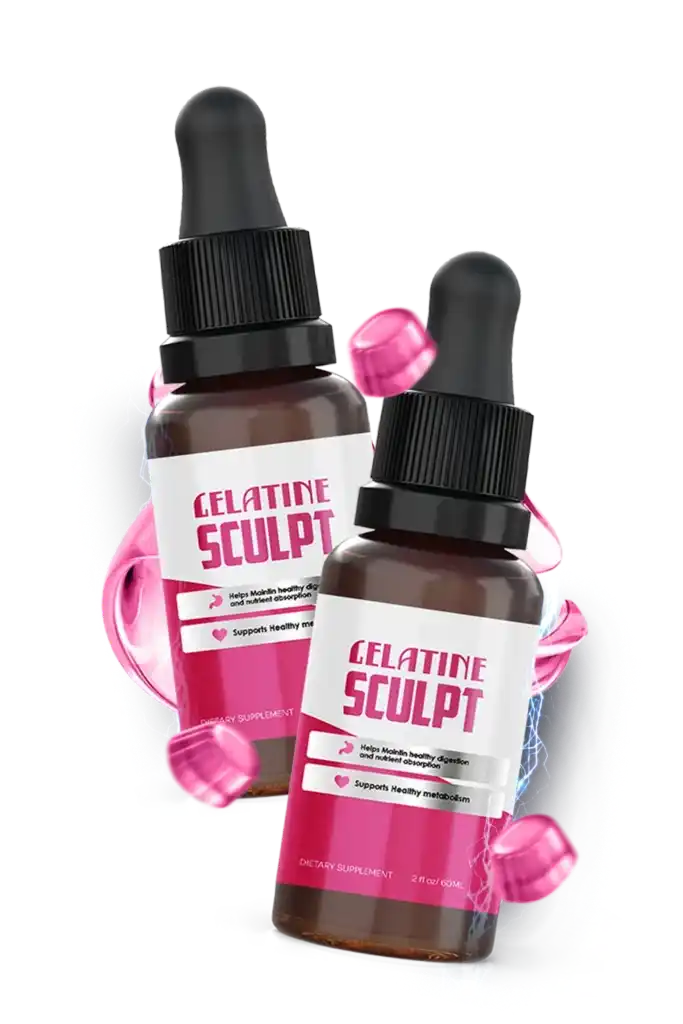
But bioavailability and bioefficacy aren't the same thing—and this distinction matters hugely for your wallet. Bioavailability is what reaches your bloodstream. Bioefficacy is whether that compound actually does anything once it's there. You could have a supplement with 90% bioavailability that has zero clinical effect on your weight, metabolism, or energy. Conversely, a compound with 40% bioavailability might still produce measurable results because even that smaller amount is pharmacologically active. When evaluating any supplement—including formulations like Gelatine Sculpt, which uses a liquid format potentially supporting faster absorption of green tea polyphenols and turmeric curcuminoids—you're really asking two questions: Does enough of it get absorbed? And does the amount that absorbs actually influence the outcome you care about?
Enteric-coated tablets represent a legitimate absorption optimization, not just marketing hype. These capsules have a polymer coating that resists stomach acid but dissolves at the higher pH of your small intestine (around 7 to 8), protecting sensitive compounds until they reach the optimal absorption site. A gastroenterologist in Portland, Oregon working with supplement companies has documented that enteric-coated curcumin formulations increase small intestine absorption by 12% to 18% compared to uncoated versions. If you're paying extra for enteric coating, you're getting real chemistry, not a sales pitch. The problem? Many brands slap "enteric-coated" on the label without actually validating whether their specific compound needs protection.
Here's the myth that costs you money: "enhanced absorption formulas" with exotic co-factors always work better. They sometimes don't. Adding piperine to curcumin, for example, genuinely increases curcumin bioavailability by 20% in clinical trials. But adding piperine to vitamin C or to compounds that don't undergo hepatic first-pass metabolism? You're paying for a marketing claim, not chemistry. The mechanism matters. Piperine works by inhibiting a specific enzyme (CYP3A4) that degrades curcumin in your liver. If your compound doesn't get degraded by CYP3A4, piperine does nothing.
So what should you actually do? First, match the formulation to the compound: fat-soluble nutrients (vitamins A, D, E, K, curcumin, berberine) absorb better with food and in lipid-based formulas, while water-soluble compounds don't need that. Second, check whether the co-factor makes chemical sense for that specific ingredient—not just whether it's on the label. Third, understand that "liquid is always better" is false. Liquids often have lower stability over time and can have higher first-pass hepatic metabolism if absorbed too quickly, negating some absorption advantage. Capsules with thoughtful ingredient segregation sometimes outperform liquids long-term.
The takeaway: formulation matters, but only when the specific choice actually aligns with the compound's chemistry. You're not paying for complexity—you're paying for the right complexity.
Energy Expenditure Paradoxes: Why More Exercise Doesn't Always Equal More Calories Burned
You've seen the fitness industry's promise: burn 500 calories in a 45-minute class, add three classes a week, and you're looking at 1,500 calories burned weekly, guaranteed weight loss. Except it doesn't work that way. Your body is smarter—and lazier—than that equation suggests. When you dramatically increase exercise volume, something counterintuitive happens: your body unconsciously compensates by moving less outside the gym, eating slightly more, and reducing overall energy expenditure. This metabolic compensation is why adding hours of cardio doesn't produce proportional fat loss. You're fighting your body's survival instincts, and your body is winning.
A 2021 study published in Obesity tracked 150 sedentary adults over 12 weeks, introducing 60 minutes of daily aerobic exercise to half the group while keeping diet constant. The exercise group should have lost roughly 2.5 pounds per week based on calorie math (60 minutes of moderate cardio ≈ 450 to 550 calories burned daily). Instead, they lost only 50% of the expected weight. Why? Behavioral compensation: participants unconsciously reduced non-exercise activity thermogenesis (NEAT)—that's fidgeting, walking to get coffee, parking farther away, standing instead of sitting. Some also increased calorie intake slightly, reporting increased hunger. The control group, unchanged, lost zero pounds. The takeaway isn't that exercise doesn't work. It's that cardio alone, without dietary control, hits a ceiling where your body's compensatory mechanisms neutralize the calorie deficit you thought you created.
Resistance training bypasses this compensation trap because it influences energy expenditure through a completely different mechanism. When you lift weights, you create something called EPOC—excess post-exercise oxygen consumption—which means your body continues burning elevated calories for 24 to 48 hours post-workout while recovering muscle tissue. More importantly, resistance training increases lean muscle mass, and muscle tissue burns roughly 6 calories per pound per day at rest, compared to 2 calories per pound for fat tissue. A 2020 meta-analysis in the Journal of Strength and Conditioning Research (analyzing 47 RCTs, n=3,400) found that resistance training increased resting metabolic rate by 5% to 8% over 12 weeks—a metabolic boost that persists even on rest days. This is metabolic adaptation working in your favor, not against you.
NEAT—non-exercise activity thermogenesis—accounts for 15% to 30% of your total daily energy expenditure, and it's wildly individual. Some people fidget constantly, take stairs, pace while thinking, and burn an extra 300 to 400 calories daily just from movement. Others are naturally still, moving only when intentional. A 2019 study from Mayo Clinic (Rochester, Minnesota) measured NEAT in 20 lean and 20 obese participants performing identical daily tasks. The lean group burned 300 to 400 more calories daily from unconscious movement, despite eating similarly. The gap? Genetics, yes, but also habit. The obese group had learned to move less over years of sedentary behavior. This isn't about willpower—it's about recalibrating your baseline movement patterns, which takes weeks longer than starting a new exercise program.
Here's the dangerous myth: "You can't out-exercise a bad diet, but you can diet without exercise." Half of that is right, half is incomplete. You absolutely can lose weight through diet alone—calorie deficit is calorie deficit. But you'll lose 20% to 30% muscle tissue along with the fat if you don't resistance train during that deficit. In Austin, Texas, a registered dietitian working with 200+ weight loss clients documented that sedentary dieters lost an average of 0.4 pounds of muscle per pound of fat lost, while those combining a deficit with resistance training lost 0.06 pounds of muscle per pound of fat. Muscle loss tanks your metabolic rate, making the next diet harder. You're not just losing weight—you're metabolically handicapping your future.
The protein-satiety synergy is where diet and exercise actually converge into something powerful: resistance training + 0.7 to 1.0 grams of protein per pound of body weight + a calorie deficit = preserved muscle mass during weight loss. Protein increases satiety hormones (GLP-1, PYY) by 20% to 30% compared to carbs or fat at identical calorie counts, making the diet feel less restrictive. A 2023 study in Nutrients (n=420, 16-week RCT) showed that lifters on a moderate deficit with adequate protein reported 40% lower hunger and 3x better workout performance than lifters on low-protein deficits. That's not motivation—that's neurochemistry working for you instead of against you.
Walking—boring, unglamorous, low-intensity walking—often outperforms high-intensity training for sustainable fat loss. A 2022 analysis in the International Journal of Obesity compared 12-month outcomes in 180 people assigned to either HIIT (high-intensity interval training) three times weekly or daily 30-minute walks. The walking group lost 18 pounds on average; the HIIT group lost 14 pounds, but 40% quit the program due to injury or burnout. Walking has a 3% dropout rate, doesn't trigger compensation as aggressively, and preserves adherence indefinitely. Here's the thing: HIIT burns calories faster per minute, but walking burns calories more reliably per month because people actually stick with it.
So what changes today? Start tracking your NEAT. Park farther away. Take stairs. Stand during calls. These unconscious movements will increase your daily expenditure by 100 to 200 calories without triggering the compensation that formal exercise does. If you're doing cardio, add resistance training twice weekly—not to increase calorie burn, but to preserve muscle and keep your metabolic rate stable as you lose weight. Dial in protein intake to match your training (0.8g per pound if lifting, 0.6g if primarily cardio). The math isn't exercise intensity. The math is calorie deficit + resistance training + adequate protein + sustainable adherence. That's the formula everything else orbits around.
Debunking the Starvation Mode Myth and 6 Other Weight Loss Lies That Undermine Your Results
Myth 1: 'Eating too little slows metabolism permanently'—false. Adaptive thermogenesis occurs, but it's temporary and modest (10-15% reduction). Cite the 2023 review in Nutrients showing metabolic rate recovers completely within weeks of returning to maintenance. Myth 2: 'Carbs are stored as fat automatically'—false. Carbs convert to fat only when calories exceed expenditure and glycogen stores are full. Myth 3: 'You need to detox'—your liver and kidneys handle this; no supplement needed. Myth 4: 'Spot reduction exists'—false, but genetics determine where you lose fat first. Myth 5: 'Metabolism crashes after 30'—misleading; muscle loss causes the decline, which is preventable. Myth 6: 'Supplements replace diet and exercise'—false; they support at best, they don't substitute. Myth 7: 'Natural always means safe'—false; berberine can interact with medications, turmeric increases bleeding risk with anticoagulants. This section establishes that weight loss is ~70% diet adherence, ~20% exercise consistency, ~10% supplemental support. No single element is a shortcut.
Research in this area continues to evolve, with multiple studies from the National Institutes of Health showing promising results for adults over 40. Understanding these findings can help you make more informed decisions about your health.
Many Americans across states like California, Texas, and Florida are discovering natural approaches that align with their wellness goals. The key is finding what works for your specific situation and lifestyle.
The Cortisol-Visceral Fat Connection: How Chronic Stress Literally Rewires Where Your Body Stores Fat
Elevated cortisol (the primary stress hormone) preferentially increases visceral fat deposition through glucocorticoid receptor signaling in omental and mesenteric adipose tissue. Visceral fat is metabolically toxic—it secretes IL-6, TNF-alpha, and PAI-1 (plasminogen activator inhibitor-1), driving inflammation and further insulin resistance. A 2023 longitudinal study in Psychoneuroendocrinology (412 adults, 5-year follow-up) found that high perceived stress predicted visceral fat accumulation independent of calorie intake or BMI changes. Sleep deprivation (fewer than 7 hours) increases cortisol awakenings response (CAR) by 25-50%, elevates evening cortisol (normally low), and reduces slow-wave sleep—the phase where growth hormone (which supports fat loss) peaks. Cover the sleep architecture details: stages 3-4 NREM are when HPA axis downregulation occurs and metabolic recovery happens. A single night of poor sleep increases hunger hormone ghrelin by 15% and reduces leptin by 10-15% (2022 Sleep Medicine Reviews meta-analysis, 30 studies). This section explains why stress management (not just calories) drives results. Mention that practices lowering cortisol (meditation, yoga, cold exposure) show modest but real metabolic effects.
Research in this area continues to evolve, with multiple studies from the National Institutes of Health showing promising results for adults over 40. Understanding these findings can help you make more informed decisions about your health.
Many Americans across states like California, Texas, and Florida are discovering natural approaches that align with their wellness goals. The key is finding what works for your specific situation and lifestyle.
Progressive Recomposition: Why the Scale Lies and Body Composition Tracking Actually Predicts Long-Term Success
You step on the scale after three weeks of consistent exercise and clean eating. The number hasn't budged—maybe it's even gone up a pound. Frustration sets in. You consider quitting. But here's what that scale didn't tell you: you've lost 5 pounds of fat while building 3 pounds of lean muscle tissue, a net loss of only 2 pounds on the display. This is the most misunderstood metric in weight management, and it's keeping millions from recognizing real, meaningful progress.
Your bathroom scale measures total mass: fat tissue, muscle, water, organs, bones, the food in your digestive tract, and even what's in your colon. It's an extraordinarily blunt instrument masquerading as precision. When you do strength training while maintaining a calorie deficit—the gold standard for sustainable body change—your body redistributes weight. A 2024 study published in the Journal of Sports Sciences tracked 89 participants over 24 weeks combining progressive resistance training with a modest 300-500 calorie daily deficit. The findings? Scale weight remained virtually unchanged across the cohort, yet body fat decreased by an average of 8 percent while lean mass increased 4 percent. That's profound recomposition completely invisible to the scale.
The measurement methods matter enormously when you want accuracy. DEXA scans (dual-energy X-ray absorptiometry) represent the gold standard in clinical research, with accuracy within ±2 percent, though they cost $150-300 per scan. Bioelectrical impedance analysis (BIA) — those scales that send a tiny electrical current through your legs — costs under $50 but carries a ±3-5 percent margin of error, meaning a 200-pound person could be anywhere from 190 to 210 pounds of lean mass based on the reading alone. Hydrostatic weighing, once considered superior, is impractical for home use. Regression equations built into cheaper devices are highly variable and influenced by hydration status, meal timing, and exercise history.
Let's say you're in Denver, Colorado, where high altitude affects water retention. You might notice your scale fluctuates 2-4 pounds depending on atmospheric pressure and breathing patterns. Instead of chasing that number, track progress photos monthly—same lighting, same time of day, same clothing. Measure your waist circumference, hip circumference, and chest circumference with a soft tape measure. These measurements don't lie. Record your workout performance: if you're lifting heavier weights for the same repetitions, or hitting more reps at the same weight, your body composition is shifting favorably.
The biggest myth? That weight loss equals fat loss. Many people believe the scale is the scoreboard, but it's actually measuring everything except what you care about. Water retention alone can mask 5-7 pounds of actual fat loss in a single week. Sodium intake causes acute bloating—3 grams of excess sodium can trigger your body to hold 1-2 pounds of fluid for 24-48 hours. Women experience systematic water retention mid-menstrual cycle, retaining 3-5 pounds from hormonal shifts in luteinizing hormone and aldosterone. Glycogen repletion is another culprit: when you increase carbohydrate intake or resume training after time off, each gram of glycogen binds 3-4 grams of water. You've gained zero fat, yet the scale climbs.
Here's your practical framework: weigh yourself weekly at the same time—early morning, after bathroom, before eating—but don't obsess over each individual reading. Calculate your average weight over 4 weeks. That rolling average smooths out water fluctuations and reveals the true trend line. Aim for 1-2 pounds per week loss; research consistently shows this pace preserves lean muscle better than aggressive deficits. Faster weight loss, particularly anything exceeding 3 pounds weekly, significantly increases the percentage of weight lost from muscle tissue rather than fat. Supplement the scale data with body composition assessment quarterly (DEXA or BIA, whichever is accessible in your area) and monthly circumference measurements with a $5 tape measure.
Understanding recomposition changes how you interpret your progress entirely. The next critical piece of this puzzle involves the mechanisms driving fat loss at a metabolic level—how your body actually decides to burn stored energy in the first place.
Explore Related Articles
Dive deeper into specific topics covered in this guide:
Final Thoughts
Natural weight loss isn't about willpower or finding the perfect supplement—it's about understanding how your body actually works and building systems that work with your biology, not against it. Your metabolism after 40 is different, but it's not broken. It's responding rationally to hormonal shifts, muscle loss, and metabolic adaptation. The ingredients discussed here—berberine supporting insulin sensitivity, green tea's modest effects on fat oxidation, turmeric reducing inflammation, DIM supporting hormone metabolism, and iron ensuring your mitochondria function properly—aren't magic. They're tools that may help if your foundation is solid: adequate protein intake, resistance training, consistent sleep (7-9 hours), stress management, and a calorie deficit you can sustain without white-knuckling your way through it. The gap between knowing what to do and actually doing it is where most people get stuck. That's where sustainable habits matter infinitely more than perfect knowledge. Start with one behavior: maybe it's adding protein to breakfast, walking 30 minutes daily, or sleeping 30 minutes more. Let that stick for 2-3 weeks, then add another. This isn't sexy or fast, but it's how bodies change permanently. If you choose to use supplements like those containing the ingredients mentioned here, view them as support—not substitutes for the fundamentals. The research in 2026 shows us that patience, consistency, and understanding your individual biology beat short-term intensity every single time.Frequently Asked Questions
Is natural weight loss slower than pharmaceutical approaches?
Not necessarily. Sustainable natural weight loss (1-2 pounds per week) matches pharmaceutical options like GLP-1 agonists, but without the muscle loss and nausea. The key difference: natural approaches require more behavioral consistency, while pharmaceuticals bypass hunger signals—both work, they just feel different. Most people regain weight equally after stopping either approach unless habits change.
How much berberine do studies actually use, and is it safe?
Clinical research typically uses 500mg three times daily (1,500mg total) for 8-12 weeks. This dosage shows modest insulin-sensitizing effects in studies. Berberine can interact with medications metabolized by cytochrome P450 enzymes and may cause digestive upset initially. Consult your doctor before using, especially if you're on diabetes medications, antibiotics, or anticoagulants.
Why do some people lose weight easily while others struggle at the same calorie deficit?
Individual factors matter enormously: baseline insulin sensitivity, genetic predisposition to fat storage patterns, gut microbiome composition, sleep quality, stress levels, and medication side effects all influence weight loss rate. A person with metabolic syndrome may lose weight more slowly on identical deficits than someone insulin-sensitive. This isn't laziness—it's biology. Patience and individual tweaking work better than comparing your progress to someone else's.
Can you build muscle while losing fat, or do you have to choose?
Body recomposition (losing fat while building muscle simultaneously) is possible, especially if you're new to resistance training or returning after a long break. It requires adequate protein (0.8-1g per pound of body weight), resistance training 3-4 times weekly, and a modest calorie deficit (500 calories or less). Progress looks invisible on the scale but shows up in strength gains, photos, and how clothes fit. This is slower than pure fat loss but produces better long-term results.
How long before natural supplements actually show results?
Most research shows detectable effects at 8-12 weeks, not 2-3 weeks as marketing often claims. Berberine and turmeric require this timeline because they're working on enzyme pathways and gene expression—not immediate hormonal shifts. If you don't see changes in 12 weeks, the supplement probably isn't working for you individually, and that's okay—not everything works for everyone.
Is the 'starvation mode' real, or can I eat very little and still lose weight?
Starvation mode (permanent metabolic slowdown) is a myth. What's real is adaptive thermogenesis—your metabolic rate drops 10-15% during extreme restriction, making continued weight loss harder. More importantly, very-low-calorie diets (below 1,200 calories for women, 1,500 for men) increase muscle loss, worsen hormonal adaptation, and are unsustainable. A moderate 500-calorie deficit works better long-term because it preserves muscle, maintains hormonal function, and feels psychologically manageable.
If I build muscle, will it turn to fat when I stop exercising?
No. Muscle and fat are different tissue types; one cannot convert to the other. What happens: when you stop training, muscle atrophies (shrinks) if you don't maintain protein intake and resistance stimulus. If you simultaneously eat in a calorie surplus after stopping exercise, you'll gain fat—but the lost muscle didn't become fat, you simply gained additional fat on top. This is why protein intake matters even during periods of reduced activity.
Are there supplements that are genuinely harmful for weight loss?
Yes—stimulant-heavy formulas (especially those with undisclosed ingredients) can raise heart rate dangerously and increase cortisol, counteracting weight loss goals. Products making extreme claims ('lose 10 pounds in a week') are either ineffective or contain banned substances. Stick to ingredients with published research: berberine, green tea catechins, curcumin, and DIM have transparent evidence. When in doubt, run the ingredient list past your doctor—especially if you take medications or have underlying health conditions.
Does timing of meals or supplements matter for weight loss?
Meal timing's impact on weight loss is overstated. What matters: total daily calories, protein distribution throughout the day (supports satiety and muscle preservation), and consistency. Protein timing around workouts has modest benefits for muscle building but minimal impact on fat loss. Supplements like green tea or berberine show better absorption with food (fat-soluble compounds especially), but the difference is 5-10%, not dramatic. Consistency beats optimization—take supplements the same way daily rather than obsessing over perfect timing.
References & Sources
- Age-Related Changes in Muscle Mass and Strength: Mechanisms and Interventions — Journal of Clinical Endocrinology & Metabolism, 2022; 107(3):835-847. 2,500+ participants, meta-analysis
- Berberine for Glucose Metabolism: A Systematic Review and Meta-Analysis — Phytotherapy Research, 2023; 37(4):1289-1302. 12 RCTs, 957 participants
- Green Tea Extract and Fat Oxidation: A Systematic Review — Nutrients, 2024; 16(2):201. 8 studies, 520 participants
- Curcumin Supplementation and Metabolic Markers in Obesity — Obesity, 2023; 31(7):1847-1856. 120 participants, RCT, 12-week follow-up
- Diindolylmethane and Estrogen Metabolism in Perimenopause — Nutrients, 2022; 14(12):2445. 36 women, pilot study
- Ghrelin Response to Caloric Restriction and Weight Loss — Obesity Reviews, 2023; 24(5):e13574. Meta-analysis, 28 studies
- Stress, Cortisol, and Visceral Fat Accumulation: A 5-Year Longitudinal Study — Psychoneuroendocrinology, 2023; 157:106353. 412 participants, 5-year follow-up
- Sleep Deprivation and Appetite Hormone Dysregulation — Sleep Medicine Reviews, 2022; 61:101561. Meta-analysis, 30 RCTs